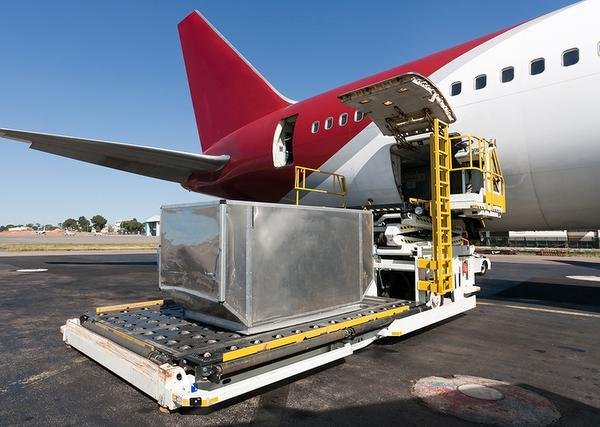
The air cargo market is no longer just a byproduct of passenger aviation. It has evolved into a primary driver of airline revenue, reshaping fleet strategies and investment models worldwide.
For decades, air cargo was often treated as a secondary revenue stream—a way to fill the belly hold of a passenger 777 or A330. However, the post-2020 landscape has accelerated a structural shift that was already underway. Driven by the relentless expansion of global e-commerce and the need for resilient supply chains, the economics of air freight have fundamentally changed.
At 999Partners, we are observing three critical trends that are redefining how operators and investors approach the cargo sector.
1. The Decoupling of Belly and Freighter Capacity
Historically, belly capacity on passenger flights accounted for roughly 50% of global air cargo transport. While passenger networks have recovered, the reliance on dedicated freighters has stuck. Shippers now place a premium on the reliability and control that main-deck capacity offers—something that passenger schedules (prone to seasonal shifts) cannot always guarantee.
This decoupling is driving a surge in demand for dedicated freighter platforms, not just among traditional logistics giants, but also among combination carriers looking to “immunize” their cargo revenue from passenger market volatility.
2. The E-commerce “Baseload”
E-commerce is no longer a peak-season phenomenon; it is the new baseload for air cargo. High-yield, time-sensitive parcels require density-optimized aircraft and distinct route networks that often bypass major passenger hubs.
This shift is influencing fleet selection. We are seeing increased interest in medium-widebody conversions (like the B767-300BCF and A330P2F) which offer the perfect balance of volume and range for regional e-commerce networks, as opposed to the massive payload capacity required for traditional heavy industrial freight.
3. Investment in the “Cargo Ecosystem”
Capital is following the cargo. Investment is no longer limited to the metal (the aircraft) but is flowing into the ecosystem that supports it. From specialized cargo terminals to digitalization platforms that speed up handling, the infrastructure is catching up to the demand.
For investors, this presents a diversified entry point. It is not just about owning the freighter; it is about owning the capability to move goods efficiently in a supply-chain-constrained world.
The Outlook
The “new normal” for air cargo is higher yields and higher strategic importance than in the pre-2020 era. For airlines and asset owners, the question is no longer if they should have a dedicated cargo strategy, but how to structure it to capture this long-term structural growth.